Embark on a journey through the world of new home siding options, where the perfect choice can transform a house into a home. From durability to design, this guide covers all aspects you need to know.
As we delve deeper, you'll uncover the secrets behind selecting the ideal siding material for your new abode.
Overview of New Home Siding Options
Choosing the right siding for a new home is crucial as it not only enhances the aesthetic appeal but also plays a significant role in protecting the house from various elements. When selecting siding options, several factors need to be considered to ensure durability, maintenance, cost-effectiveness, and energy efficiency.
Popular Siding Materials
- Vinyl Siding: One of the most popular choices due to its affordability, low maintenance, and versatility in colors and styles.
- Fiber Cement Siding: Known for its durability, resistance to fire, pests, and rot, making it a long-lasting option.
- Wood Siding: Offers a natural and classic look, but requires more maintenance to prevent rot, pests, and weathering.
- Metal Siding: Provides a modern and sleek appearance, with options like aluminum, steel, and copper, offering durability and low maintenance.
- Brick Siding: Known for its timeless appeal, strength, and low maintenance, but can be costly to install.
- Stone Veneer Siding: Mimics the look of natural stone at a more affordable price, adding a luxurious touch to the home exterior.
Types of Siding Materials
Vinyl, wood, fiber cement, and metal are some of the common siding materials available in the market. Each material has its own set of characteristics, durability, maintenance requirements, and environmental impact.
Vinyl Siding
Vinyl siding is a popular choice due to its affordability, versatility, and low maintenance requirements. It is durable, resistant to rot and insects, and comes in a variety of colors and styles.
Wood Siding
Wood siding offers a natural and timeless look to a home. While it requires more maintenance compared to other materials, proper care can ensure its longevity. Wood siding can be painted or stained to match the desired aesthetic.
Fiber Cement Siding
Fiber cement siding is known for its durability and resistance to harsh weather conditions. It is low maintenance, fire-resistant, and available in a range of textures that mimic the look of wood or stucco.
Metal Siding
Metal siding, such as aluminum or steel, is a strong and resilient option for homes. It is resistant to fire, rot, and pests, making it a long-lasting choice. Metal siding is available in various profiles and finishes to suit different architectural styles.
Design and Aesthetic Considerations
When it comes to choosing siding for your home, design and aesthetic considerations play a crucial role in enhancing the overall look and style of your property. The siding material, colors, textures, and finishes all contribute to the curb appeal and architectural harmony of your home.
Impact of Siding Materials on Home Design
Different siding materials can significantly impact the appearance of your home. For example, vinyl siding offers a clean and modern look, while natural wood siding provides a warm and rustic charm. Fiber cement siding can mimic the look of wood or stucco, offering versatility in design options.
Choosing Siding Colors, Textures, and Finishes
- Consider the architectural style of your home when selecting siding colors to ensure a cohesive look.
- Lighter colors can make your home appear larger, while darker colors add depth and drama.
- Textures like cedar grain or smooth finishes can add visual interest to your siding.
- Matte finishes offer a more traditional look, while glossy finishes can give a modern touch.
Matching Siding Options with Architectural Styles
- Traditional homes often pair well with clapboard or cedar shake siding for a classic look.
- Modern homes can benefit from metal or composite siding for a sleek and contemporary aesthetic.
- Victorian-style homes may look stunning with scalloped or decorative siding options.
- Craftsman-style homes typically feature natural wood siding for an authentic appeal.
Installation and Cost Factors
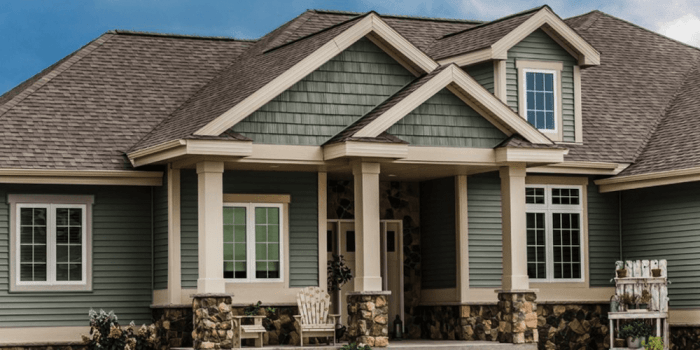
When it comes to choosing the right siding for your home, considering the installation process and cost factors is crucial. Different siding materials have varying installation requirements and initial costs, which can impact your overall budget. Additionally, long-term maintenance expenses and the potential return on investment should also be taken into account.
Installation Process
- Vinyl siding is one of the most popular choices due to its relatively easy installation process. It can be installed quickly and requires minimal maintenance over time.
- Fiber cement siding, while durable and low-maintenance, requires professional installation due to its heavy weight and specific tools needed for cutting and handling the material.
- Wood siding offers a natural, rustic look but may require more frequent maintenance, such as painting or staining, to protect it from the elements.
Cost Comparison
- Initial costs for vinyl siding are generally lower compared to fiber cement or wood siding. However, keep in mind that cheaper upfront costs may result in higher long-term maintenance expenses.
- Fiber cement siding tends to have higher initial costs but lower maintenance expenses in the long run. It is a durable option that can withstand harsh weather conditions.
- Wood siding, while offering a classic look, can be more expensive upfront and may require regular maintenance, such as repainting or refinishing, to maintain its appearance and protect it from moisture.
Return on Investment
- Choosing high-quality siding materials can increase the value of your home and potentially provide a higher return on investment when it comes time to sell. Buyers are often willing to pay more for homes with durable, low-maintenance siding that enhances curb appeal.
- Consider the overall cost-effectiveness of each siding option, factoring in both the initial costs and long-term maintenance expenses to make an informed decision that aligns with your budget and aesthetic preferences.
Closing Summary
In conclusion, the right siding can not only protect your home but also elevate its aesthetic appeal. Armed with this knowledge, you're now equipped to make an informed decision for your new home.
Helpful Answers
What factors should I consider when choosing new home siding?
Consider factors like durability, maintenance requirements, aesthetic appeal, and environmental impact when selecting siding for your new home.
Which siding material offers the best durability?
Fiber cement siding is known for its exceptional durability and low maintenance requirements, making it a popular choice among homeowners.
How can I match siding options with the architectural style of my home?
To achieve a cohesive design, consider the architectural style of your home and choose siding options that complement its overall look and feel.