Embark on a journey to discover the perfect flooring options for your home remodel. From hardwood to vinyl, we'll explore the best choices to enhance your living space.
Delve into the factors to consider when selecting flooring and learn about installation methods and maintenance tips to keep your floors looking pristine.
Types of Flooring Options
When it comes to choosing the right flooring for your home remodel, there are several options to consider. Let's take a look at the characteristics of hardwood, laminate, vinyl, and tile flooring to help you make an informed decision.
Hardwood Flooring
Hardwood flooring is known for its timeless appeal and durability. It adds warmth and elegance to any space, making it a popular choice for living rooms, bedrooms, and dining areas. Hardwood floors are relatively easy to clean and maintain, but they can be susceptible to scratches and dents over time.
They are a great option for homeowners looking for a classic and high-end flooring solution.
Laminate Flooring
Laminate flooring is a budget-friendly alternative to hardwood that mimics the look of wood or stone. It is easy to install and comes in a wide range of styles and colors. Laminate flooring is durable and resistant to scratches, stains, and fading, making it a practical choice for high-traffic areas like hallways and kitchens.
It is also easy to clean and maintain, making it a great option for busy households.
Vinyl Flooring
Vinyl flooring is a versatile and affordable option that comes in a variety of styles, including wood, tile, and stone looks. It is waterproof and resistant to moisture, making it an ideal choice for bathrooms, kitchens, and basements. Vinyl flooring is durable, easy to clean, and comfortable underfoot, making it a practical choice for families with children and pets.
Tile Flooring
Tile flooring is a popular choice for areas that are prone to moisture, such as bathrooms, kitchens, and laundry rooms. It is available in a variety of materials, including ceramic, porcelain, and natural stone. Tile flooring is durable, easy to clean, and resistant to water damage, making it a practical choice for high-moisture areas.
It also comes in a wide range of colors, patterns, and sizes, allowing for endless design possibilities.
Factors to Consider When Choosing Flooring
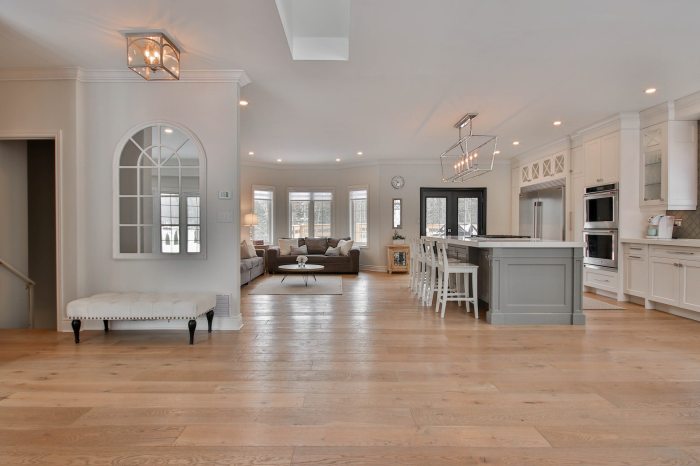
When embarking on a home remodel, choosing the right flooring is a crucial decision that can greatly impact the overall look and feel of your space. Several factors should be taken into consideration to ensure that you select the most suitable flooring option for your home.Durability, maintenance, cost, and aesthetics play a significant role in determining the best flooring for your needs.
It is essential to choose a flooring material that can withstand the daily wear and tear of your household while also being easy to clean and maintain. Additionally, considering the cost of both the flooring material and installation is important to stay within your budget.
Lastly, the aesthetics of the flooring should complement the style of your home and enhance its overall design.
Performance in High-Traffic Areas vs. Low-Traffic Areas
When selecting flooring for high-traffic areas such as entryways, living rooms, and kitchens, it is crucial to choose a durable material that can withstand heavy foot traffic without showing signs of wear and tear. Materials like hardwood, laminate, and tile are excellent choices for high-traffic areas due to their durability and easy maintenance.In contrast, low-traffic areas such as bedrooms and formal dining rooms allow for more flexibility in choosing flooring materials based on aesthetics rather than durability.
Carpet, cork, and luxury vinyl are popular options for these areas as they provide comfort and style without the need for extreme durability.
Choosing Flooring that Complements Home Style
When selecting flooring that complements the style of your home, consider the existing décor, color scheme, and architectural features. For traditional homes, hardwood flooring adds warmth and elegance, while modern homes may benefit from polished concrete or sleek tile floors.
It is essential to choose flooring that ties in with the overall design aesthetic of your home to create a cohesive and visually appealing space.
Installation Methods and Considerations
When it comes to installing flooring during a home remodel, there are several methods and considerations to keep in mind to ensure a successful and long-lasting result.
DIY Installation vs Professional Installation
- DIY Installation:
- Cost-effective option for those with some experience in home improvement.
- Requires proper tools, time, and attention to detail to achieve a professional-looking finish.
- May void warranties if not installed correctly.
- Professional Installation:
- Recommended for complex flooring materials or large areas to ensure a flawless finish.
- Experienced professionals can handle subfloor preparation and tackle any challenges that may arise during installation.
- Comes with warranties and guarantees for added peace of mind.
Subfloor Preparation and Challenges
Proper subfloor preparation is crucial for the success of any flooring installation. Here are some common challenges that may arise during the process:
- Uneven Subfloor:
- Requires leveling before installation to prevent damage and ensure a smooth finish.
- Use self-leveling compounds or plywood underlayment to correct any imperfections.
- Moisture Issues:
- Moisture barriers or underlayments are necessary to protect flooring from moisture-related damage.
- Address any water leaks or moisture problems before laying down new flooring.
- Existing Flooring Removal:
- Properly removing old flooring materials can be time-consuming and labor-intensive.
- Ensure all remnants are cleared away to provide a clean surface for the new installation.
Maintenance and Longevity of Flooring
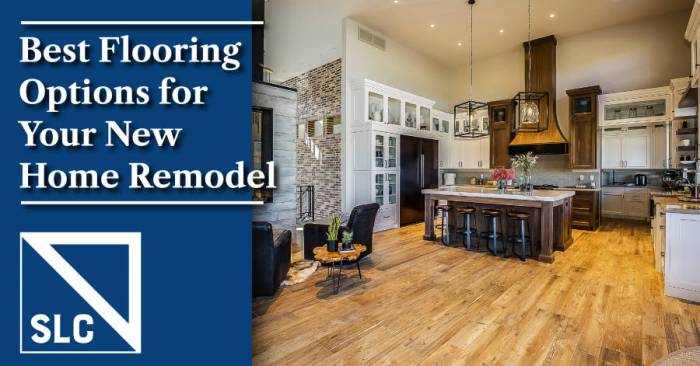
When it comes to maintaining the longevity of your flooring, different types require different levels of care. Here are some tips on how to keep your hardwood, laminate, vinyl, and tile flooring in top condition.
Hardwood Flooring
Hardwood flooring is durable and can last for decades if properly maintained. To keep your hardwood floors looking their best, regularly sweep or vacuum to remove dirt and debris that can scratch the surface. Use a damp mop with a hardwood floor cleaner for deeper cleaning, but avoid excess water as it can damage the wood.
- Place felt pads under furniture legs to prevent scratches.
- Use rugs in high-traffic areas to protect the wood.
- Refinish hardwood floors every few years to keep them looking like new.
Laminate Flooring
Laminate flooring is easy to maintain and can last for years with proper care. Regularly sweep or vacuum to remove dirt and dust, and use a damp mop with a laminate floor cleaner for deeper cleaning. Avoid using harsh chemicals or excess water as it can damage the laminate.
- Wipe up spills immediately to prevent water damage.
- Avoid dragging heavy furniture across the laminate to prevent scratches.
- Use furniture pads under heavy items to distribute weight evenly.
Vinyl Flooring
Vinyl flooring is low-maintenance and durable, making it a popular choice for homes. Sweep or vacuum regularly to prevent dirt buildup, and use a damp mop with a vinyl floor cleaner for deeper cleaning. Avoid using abrasive cleaners or scrubbers that can scratch the surface.
- Place doormats at entryways to trap dirt and debris from shoes.
- Avoid using rubber-backed rugs on vinyl flooring as they can discolor the surface.
- Apply a vinyl floor polish to protect the surface and add shine.
Tile Flooring
Tile flooring is versatile and long-lasting, but proper maintenance is key to preserving its appearance. Regularly sweep or vacuum to remove dirt and dust, and use a tile cleaner to mop the floors. Grout lines should be sealed periodically to prevent stains and water damage.
- Wipe up spills immediately to prevent staining the grout.
- Avoid using harsh cleaning chemicals that can damage the tiles.
- Regularly reseal grout lines to maintain their appearance and prevent water damage.
Closure
In conclusion, choosing the right flooring for your home remodel is key to creating a space that reflects your style and stands the test of time. Let your floors be the foundation of a beautifully renovated home.
FAQ Resource
Which flooring option is best for high-traffic areas?
Hardwood flooring is a durable choice for high-traffic areas due to its strength and longevity.
Can laminate flooring be installed in bathrooms?
Laminate flooring is not recommended for bathrooms as it can warp and get damaged from moisture.
How can I prevent scratches on vinyl flooring?
Place felt pads under furniture legs and avoid dragging heavy items across vinyl flooring to prevent scratches.