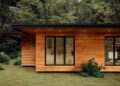
Immerse yourself in the world of natural wood siding houses with this captivating guide that delves into the beauty, durability, and eco-friendliness of this classic architectural choice. From its environmental benefits to the stunning aesthetic appeal, get ready to explore the wonders of natural wood siding for your home.
Benefits of Natural Wood Siding
When it comes to choosing siding for your home, natural wood siding offers a range of benefits that make it a popular choice among homeowners.
Environmental Benefits
Natural wood siding is a sustainable and eco-friendly option for your home. It is a renewable resource that can be harvested responsibly, making it an environmentally conscious choice. Additionally, wood siding is biodegradable and can be recycled, reducing its impact on the environment.
Durability and Longevity
Natural wood siding is known for its durability and longevity when properly maintained. With regular maintenance and proper treatment, wood siding can last for decades, making it a cost-effective option in the long run. Wood siding is also resistant to impact and can withstand harsh weather conditions.
Aesthetic Appeal and Versatility
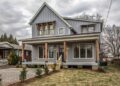
One of the key benefits of natural wood siding is its aesthetic appeal. Wood siding adds a warm and natural look to your home, enhancing its curb appeal and increasing its value. Additionally, wood siding comes in a variety of styles and finishes, allowing for customization to suit your design preferences.
Types of Wood Suitable for Siding
When choosing wood for siding, it is essential to consider the durability, appearance, and maintenance requirements of different wood species to ensure a long-lasting and visually appealing finish.
Cedar
Cedar is a popular choice for wood siding due to its natural resistance to rot, decay, and insects. It has a beautiful grain pattern and can be easily stained or painted to achieve the desired look. However, cedar siding requires regular maintenance, such as staining or sealing, to protect it from the elements and maintain its appearance.
Redwood
Redwood is another excellent option for siding, known for its rich color and natural resistance to rot and insects. It is a durable wood that can last for decades with proper maintenance. Redwood siding may require occasional staining or sealing to preserve its color and protect it from moisture.
Pine
Pine is a more affordable option for wood siding, but it is less durable compared to cedar or redwood. While pine siding can be treated with preservatives to improve its resistance to decay and insects, it may still require regular maintenance, such as painting or staining, to prevent weathering and deterioration.
Cypress
Cypress is a durable wood with natural resistance to decay and insects, making it a suitable choice for siding. It has a unique grain pattern and can be left untreated to weather to a silvery gray color or finished with a clear sealer to maintain its natural appearance.
Cypress siding is relatively low maintenance, requiring occasional cleaning and sealing to protect it from moisture and UV exposure.
Installation Process
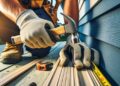
Installing natural wood siding on a house requires careful attention to detail to ensure a long-lasting and visually appealing finish. Proper installation techniques are essential to protect the wood from moisture and other elements that can cause damage over time.
Step-by-Step Guide
- Prepare the Surface: Ensure the surface of the house is clean, dry, and free of any debris before starting the installation process.
- Install Underlayment: Apply a weather-resistant underlayment to provide a barrier between the wood siding and the house, helping to prevent moisture infiltration.
- Measure and Cut Siding: Measure each piece of wood siding accurately and cut it to the appropriate size before attaching it to the house.
- Secure Siding: Use nails or screws to secure the wood siding to the house, making sure to leave a small gap between each piece to allow for expansion and contraction.
- Apply Moisture Barrier: Install a moisture barrier behind the wood siding to further protect the house from water damage.
- Finish and Seal: Finish the wood siding with a protective sealant to enhance its durability and resistance to the elements.
Importance of Underlayment and Moisture Barriers
Proper underlayment and moisture barriers are crucial during the installation of natural wood siding to prevent water infiltration and damage to the structure of the house. Without these protective layers, moisture can seep into the wood, causing it to warp, rot, or decay over time.
Sealing and Protecting Natural Wood Siding
- Use a high-quality sealant: Choose a sealant specifically designed for wood siding to provide maximum protection against moisture, UV rays, and other environmental factors.
- Regular maintenance: Inspect the wood siding regularly for signs of damage or wear, and reapply sealant as needed to keep it in optimal condition.
- Keep the siding clean: Remove dirt, debris, and mildew from the wood siding regularly to prevent buildup that can lead to deterioration over time.
Cost Considerations
When considering natural wood siding for your home, it's important to take into account the cost implications compared to other siding materials like vinyl or fiber cement.
Cost Comparison
While natural wood siding may have a higher upfront cost compared to vinyl or fiber cement, it offers a unique aesthetic appeal and can increase the overall value of your home. The initial investment in natural wood siding can vary depending on the type of wood chosen and the size of the project.
Factors Affecting Cost
- The type of wood: Different wood species come at varying price points, with some exotic woods being more expensive than others.
- Size of the project: The larger the area to be covered with natural wood siding, the higher the overall cost.
- Additional treatments: Staining, sealing, or painting the wood can add to the total cost of installation.
- Professional installation: Hiring experienced contractors for the installation can increase the overall cost but ensure quality work.
Long-term Cost Savings
Despite the initial higher cost of natural wood siding, it offers long-term cost savings in terms of maintenance and energy efficiency. Wood siding is durable and can last for decades with proper care, reducing the need for frequent replacements. Additionally, wood is a natural insulator, helping to regulate indoor temperatures and potentially lowering heating and cooling costs over time.
Ultimate Conclusion
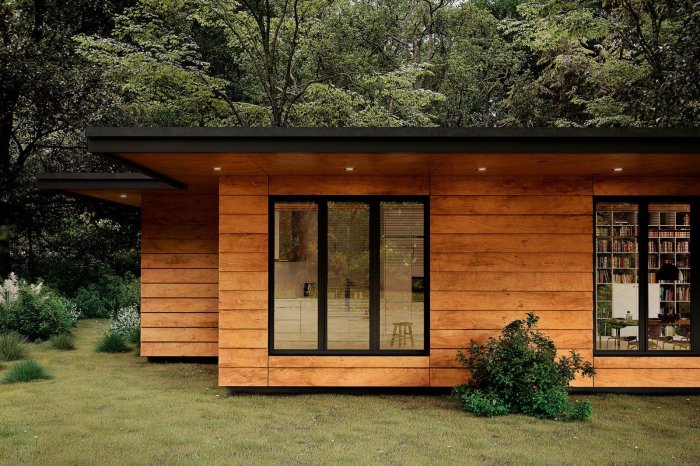
As we conclude this journey through the realm of natural wood siding houses, we hope you've gained valuable insights into the benefits, types, installation processes, and cost considerations of this timeless architectural feature. Embrace the warmth and elegance of natural wood siding for a home that exudes charm and character.
FAQ Corner
What are the main environmental benefits of natural wood siding?
Natural wood siding is a sustainable choice that reduces carbon footprint and promotes healthier indoor air quality.
Which wood species are commonly used for siding?
Cedar, redwood, pine, and cypress are popular choices known for their durability and aesthetic appeal.
How should natural wood siding be maintained?
Regular cleaning, staining, and sealing are essential for preserving the beauty and longevity of natural wood siding.
What factors can affect the cost of installing natural wood siding?
Factors like wood species, quality, size of the project, and labor costs can impact the overall cost of installation.
Are there long-term cost savings associated with natural wood siding?
Despite initial higher costs, natural wood siding offers energy efficiency and durability, leading to long-term savings.