
Structural repair contractors play a crucial role in the construction industry, ensuring the safety and stability of buildings. Their expertise and skills are essential for addressing various structural issues that may arise. Let's delve into the realm of structural repair contractors to understand their significance and the complexities of their work.
Overview of Structural Repair Contractors
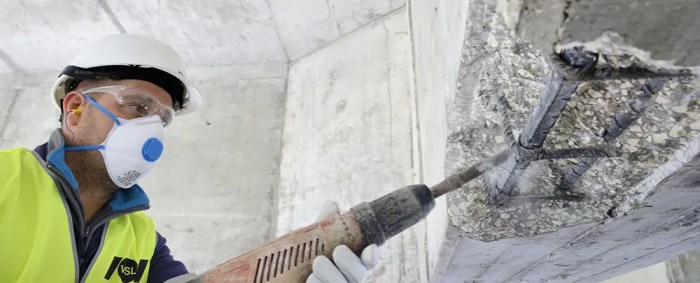
Structural repair contractors play a crucial role in the construction industry by addressing issues related to the stability and integrity of buildings and structures. These professionals are tasked with ensuring that any structural damage is properly identified, assessed, and repaired to maintain the safety and functionality of the structure.
It is essential to hire professional structural repair contractors for any repair work to ensure that the job is done correctly and safely. These contractors have the necessary expertise, experience, and tools to handle different types of structural issues effectively, reducing the risk of further damage or safety hazards.
Typical Services Offered by Structural Repair Contractors
- Foundation Repair: Structural repair contractors are trained to address foundation issues such as cracks, settlement, and water damage, ensuring the stability of the building.
- Crack Stitching: This process involves repairing cracks in concrete or masonry walls using specialized materials to prevent further deterioration.
- Structural Strengthening: Contractors can reinforce weak or damaged structural elements through techniques like carbon fiber wrapping or steel beam installation.
- Waterproofing: Preventing water infiltration is crucial for maintaining the structural integrity of a building, and contractors offer solutions like waterproof coatings and drainage systems.
- Seismic Retrofitting: In earthquake-prone areas, contractors can retrofit buildings to improve their resistance to seismic activity, reducing the risk of collapse during an earthquake.
Qualifications and Training
To become a successful structural repair contractor, individuals must meet specific qualifications and undergo appropriate training programs to develop the necessary skills and knowledge required for this specialized field.
Qualifications and Certifications
In order to work as a structural repair contractor, individuals typically need to have a high school diploma or equivalent. Some employers may also require candidates to have a relevant associate or bachelor's degree in construction management, civil engineering, or a related field.
Additionally, obtaining certifications such as the Structural Repair Technician Certification from organizations like the National Association of Waterproofing and Structural Repair Contractors (NAWSRC) can demonstrate a commitment to professional development and expertise in the field.
Training Programs
There are various training programs available for individuals looking to enter the structural repair industry. These programs may include courses in structural engineering, construction techniques, building codes, safety regulations, and more. Many vocational schools, community colleges, and trade organizations offer specialized training programs specifically tailored to the needs of aspiring structural repair contractors.
Importance of Ongoing Education
Continuous education and skill development are crucial for structural repair contractors to stay current with industry trends, techniques, and regulations. Participating in workshops, seminars, and continuing education courses can help contractors expand their knowledge base and improve their skills, ultimately leading to better job performance and client satisfaction.
By staying informed about the latest advancements in the field, structural repair contractors can ensure they are providing high-quality services and maintaining industry standards.
Common Structural Issues
Structural issues in buildings can vary widely and may require the expertise of repair contractors to address effectively.
Foundation Problems
Foundation problems are a common structural issue that can arise due to soil movement, poor construction practices, or water damage. Repair contractors assess foundation issues by conducting thorough inspections, which may involve using tools like ground-penetrating radar to identify potential problems beneath the surface.
Roof Damage
Roof damage, such as leaks, sagging, or missing shingles, can compromise the structural integrity of a building. Structural repair contractors evaluate roof issues by visually inspecting the roof, checking for signs of water damage, and determining the extent of the damage to develop a repair plan.
Wall Cracks
Cracks in walls can indicate underlying structural issues, such as foundation settlement, water intrusion, or poor construction. Structural repair contractors use specialized equipment, like moisture meters and thermal imaging cameras, to diagnose the cause of wall cracks and determine the appropriate repair method.
Repair Techniques and Solutions
When it comes to repairing structural issues, structural repair contractors utilize various techniques and solutions to ensure the stability and safety of buildings. These professionals are trained to assess the damage and implement the most effective repair methods. Let's explore some common repair techniques and innovative solutions used by structural repair contractors
Carbon Fiber Reinforcement
Carbon fiber reinforcement is a popular method used by structural repair contractors to strengthen and repair damaged structures. This technique involves applying carbon fiber sheets or strips to the affected areas, creating a strong and durable reinforcement. The carbon fiber material is lightweight, corrosion-resistant, and has high tensile strength, making it an ideal choice for structural repairs.
Epoxy Injection
Epoxy injection is another common repair technique used to fill cracks and voids in concrete structures. Structural repair contractors inject epoxy resins into the cracks, which then harden and bond with the surrounding concrete, providing a strong and durable repair.
This method is effective for sealing cracks and restoring the structural integrity of concrete elements.
Innovative Solutions
In addition to traditional repair techniques, structural repair contractors often come up with innovative solutions to address complex structural issues. For example, some contractors may use advanced materials such as carbon nanotubes or self-healing concrete to enhance the durability and strength of repaired structures.
These innovative solutions help to improve the long-term performance of buildings and infrastructure.
Choosing the Right Repair Technique
It is crucial to choose the right repair technique based on the type and extent of damage. Structural repair contractors rely on their expertise and experience to determine the most suitable solution for each specific situation. By selecting the appropriate repair technique, contractors can ensure that the structural integrity of the building is restored effectively and efficiently.
Safety Practices and Regulations
Safety is a top priority in the field of structural repair work. Contractors must adhere to strict safety standards and regulations to ensure the well-being of both workers and occupants during repair projects.
Safety Standards and Regulations
- Structural repair contractors are required to follow OSHA (Occupational Safety and Health Administration) guidelines to maintain a safe work environment.
- Contractors must also comply with local building codes and regulations to ensure that all repair work meets safety standards.
- Prioritizing safety not only protects workers from accidents and injuries but also safeguards the occupants of the building being repaired.
Importance of Proper Safety Protocols
- Proper safety protocols are crucial in structural repair work to prevent accidents, injuries, and even fatalities.
- By implementing safety measures, contractors can minimize risks and create a secure environment for all individuals involved in the repair project.
- Ensuring safety not only protects the physical well-being of workers and occupants but also enhances the overall quality and efficiency of the repair process.
Ensuring Safety of Workers and Occupants
- Contractors conduct thorough safety inspections before beginning any repair work to identify potential hazards and mitigate risks.
- Workers are provided with appropriate safety gear, training, and supervision to ensure they follow safety protocols at all times.
- During repair projects, contractors implement safety barriers, warning signs, and other measures to protect both workers and occupants from harm.
Wrap-Up
In conclusion, structural repair contractors are unsung heroes in the construction world, silently working to maintain the integrity of our built environment. Their dedication to safety and quality craftsmanship is truly commendable, making them indispensable in the realm of structural repairs.
Quick FAQs
What qualifications are needed to become a structural repair contractor?
To become a structural repair contractor, individuals typically need certifications in structural engineering or construction management, along with hands-on experience in the field.
How do structural repair contractors assess structural issues in buildings?
Structural repair contractors use a combination of visual inspections, non-destructive testing, and structural analysis to identify and diagnose problems in buildings.
What safety standards do structural repair contractors follow?
Structural repair contractors must adhere to OSHA regulations and industry-specific safety protocols to ensure the well-being of workers and occupants during repair projects.
What are some innovative solutions used by structural repair contractors?
Structural repair contractors may employ techniques like carbon fiber reinforcement and epoxy injection to address complex structural issues efficiently.